How to Celebrate Trees this Arbor Day (and everyday!)
Arbor Day is quickly approaching! Learn how to celebrate your trees (and plant new ones) on this special day (or any day!)
By Denise Thornton
To paraphrase a familiar saying, the best time to plant a tree was 20 years ago. The next best time is … Arbor Day! The date of this holiday varies throughout the U.S. to coincide with the best planting times for that area. In Wisconsin, Arbor Day is observed on the last Friday in April, which falls on April 24 this year.
We can thank journalist J. Sterling Morton for establishing a dedicated day to plant a tree. He had traveled west from New York in the early 1870s to settle in Nebraska, and he missed the beneficial and soothing presence of trees in the Great Plains. So as editor of the state’s first newspaper, he urged his fellow Nebraskans to all plant a tree on the first Arbor Day, April 10, 1872. The practice quickly spread.
Who doesn’t love trees? Studies have shown that trees promote health and well-being, decrease air pollution, sequester carbon and regulate the climate, sustain biodiversity for invertebrates and animals, and provide food, shelter and livelihood for millions of people. The benefits of trees are obvious and undeniable. Few things feel better than tamping the ground firmly around the root ball of a freshly-planted sapling.
TREES FOR YOUR YARD
“When planting trees in maintained areas, think of putting the right tree in the right spot,” says Olivia Witthun, WDNR Urban Forestry Coordinator. “You need to match the tree’s characteristics to the site characteristics, and be sure there will be room for it — once the tree is mature.”
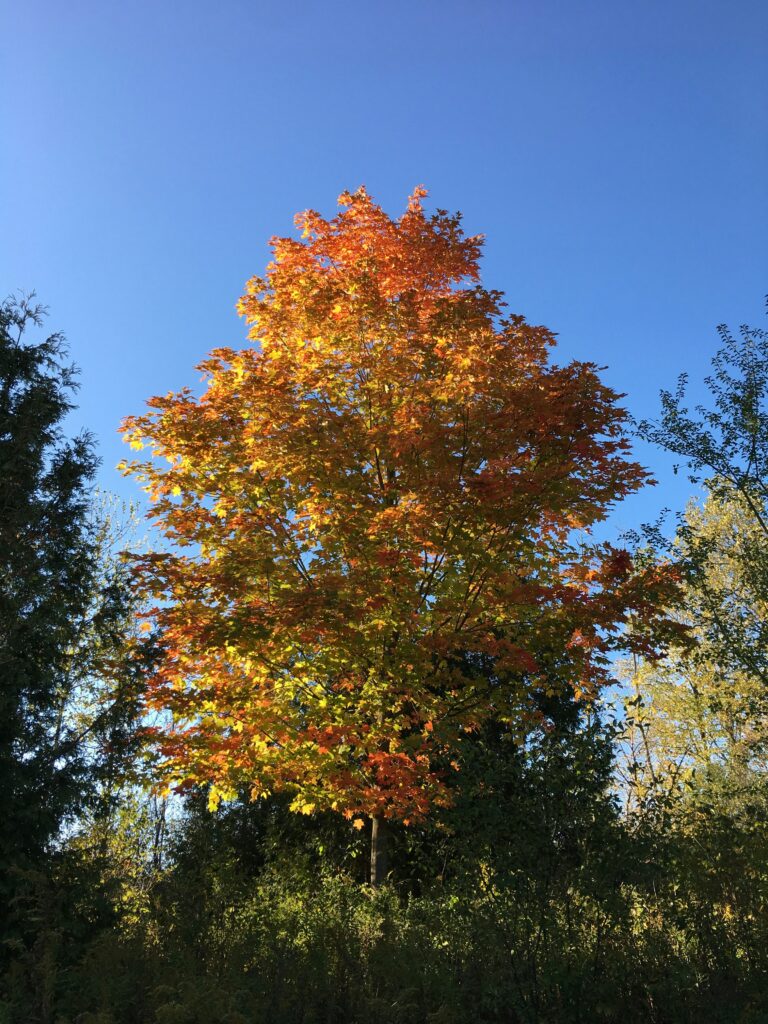
As with all native plants, planting a native tree can help endangered pollinators. Early-blooming trees and shrubs are an important food source for bumble bee queens emerging from hibernation, as well as many other beneficial insects. Serviceberries are some of the first flowering woody plants in spring, and are an early producer of fruit for birds. Elms, maples, filberts, and willows also flower early. Cherry species are a good source of early pollen and nectar, with chokecherry blooming from April into July. Magnolias, eastern redbuds, and native birch are high on the list of beneficial plantings. And native oak trees help pollinators throughout the year, especially by providing winter shelter and habitat.
A good place to learn about what trees are right for your site is the Morton Arboretum, where you can enter names or attributes and find information on 268 trees and plants to learn everything from their size, characteristics, and soil preference, to the hardiness zone that matches your location.
“After planting a tree, caring for it is even more important,” says Witthun, “especially in urban environments where we are trying to increase canopy. Learn how to properly prune, mulch and water your trees. And invasives removal is huge, both in wooded areas and your own yard.”
PROTECTING TREES IN YOUR WOODS
Protecting may as important as planting in established woods. A freshly planted sapling will take many years before it can provide the benefits of currently existing mature trees. A good way to take care of your woodlands is with a Managed Forest Law plan that can guide you in long-term stewardship of your woods. To learn more, check out Is Managed Forest Law Right for You? in an earlier issue of My Wisconsin Woods.
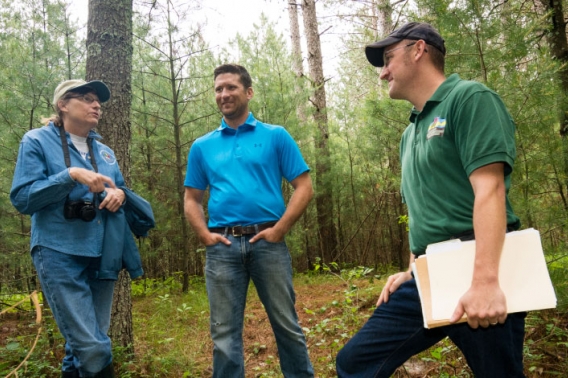
Or you can reach out to a WDNR forester for advice. My Wisconsin Woods has a Find Your Forester tool that you can use to learn about individual foresters. You can also go directly to the WDNR website for forester contact info.
THE TRILLION TREE PLEDGE
On Earth Day 2021, Wisconsin joined a global effort, Trillion Trees, when Governor Tony Evers signed a pledge to do our part by planting a hundred million new trees by 2030 — 99 million trees in rural areas, and one million trees in urban areas.
“We are right on track,” says Bobbie Webster, Wisconsin Trillion Tree Program Coordinator. “We in Wisconsin have planted 42,794,204 trees as of December 31, 2024. The update for 2025 will be announced on Earth Day, April 22.”
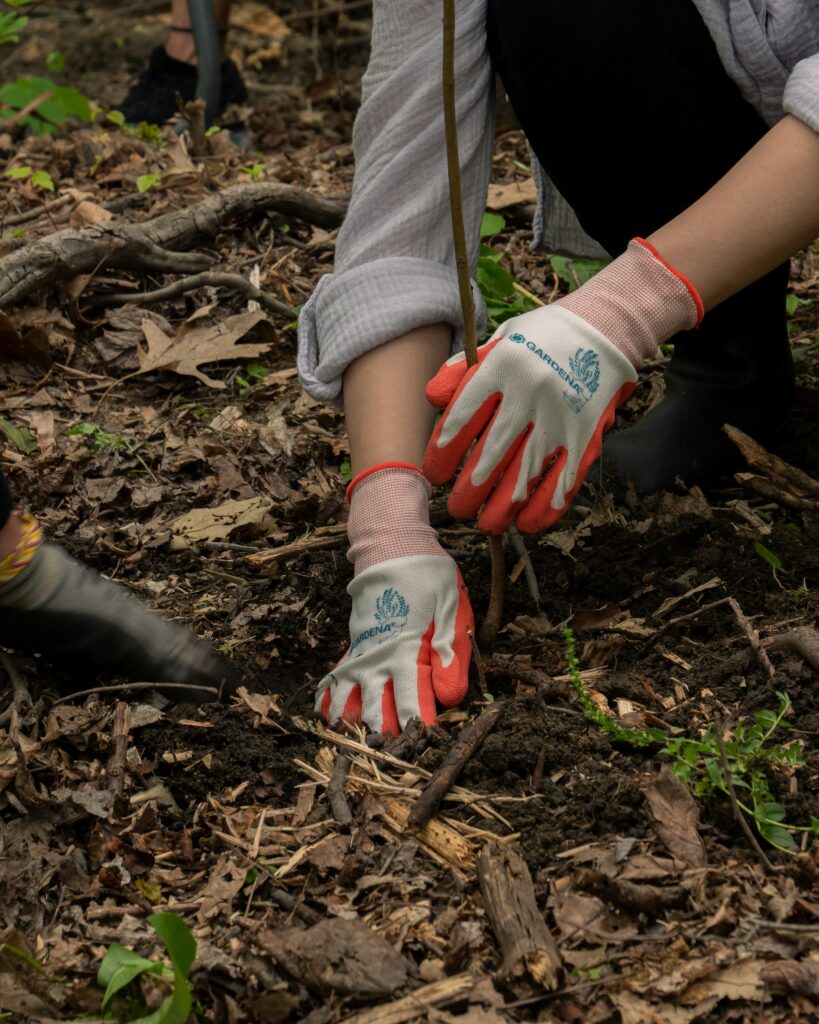
Webster urges everyone who plants a tree in 2026 to have their trees counted in the Trillion Tree program at Wisconsin Tree Planting Survey. “This is where private landowners can make a difference. Urban tree planting is the one area where we are a little behind,” she notes. “Because urban forests are very important.”
The U.S. Environmental Protection Agency also provides details on the benefits of trees. They lower surface and air temperatures by shading and evapotranspiration, the process of absorbing water through their roots and evaporating it through their leaves. One study found urban forests were three degrees F cooler than non-green urban areas. Their benefits include reducing energy use and lowering greenhouse emissions, improving air quality, enhancing stormwater management, and improving water quality — to name a few.
MORE WAYS TO OBSERVE ARBOR DAY
“If you are not able to plant a tree on your land,” says Witthun, “there are plenty of Arbor Day events to hop on board with.” Check the WDNR Parks Event Calendar for activities happening near you. This year’s Arbor Day events include:
- Blue Mound State Park is planting 100 trees on April 22.
- Lakeshore State Park is having an Arbor Day Walk on April 24.
- Both Kettle Moraine State Forest – Northern Unit, and Kettle Moraine State Forest – Southern Unit are looking for volunteers to plant trees on April 25.
- Havenwoods State Forest will be planting trees April 25.
There are also general conservation-related events on the calendar. “Conservation goes hand in hand with Arbor Day. Look for spring cleanups and birding hikes. I would urge people to explore these opportunities,” says Witthun. “Connect with your municipal authorities and city forester. They often do an Arbor Day event, especially in conjunction with being a Tree City USA participant. We have about 200 Tree Cities in Wisconsin.”
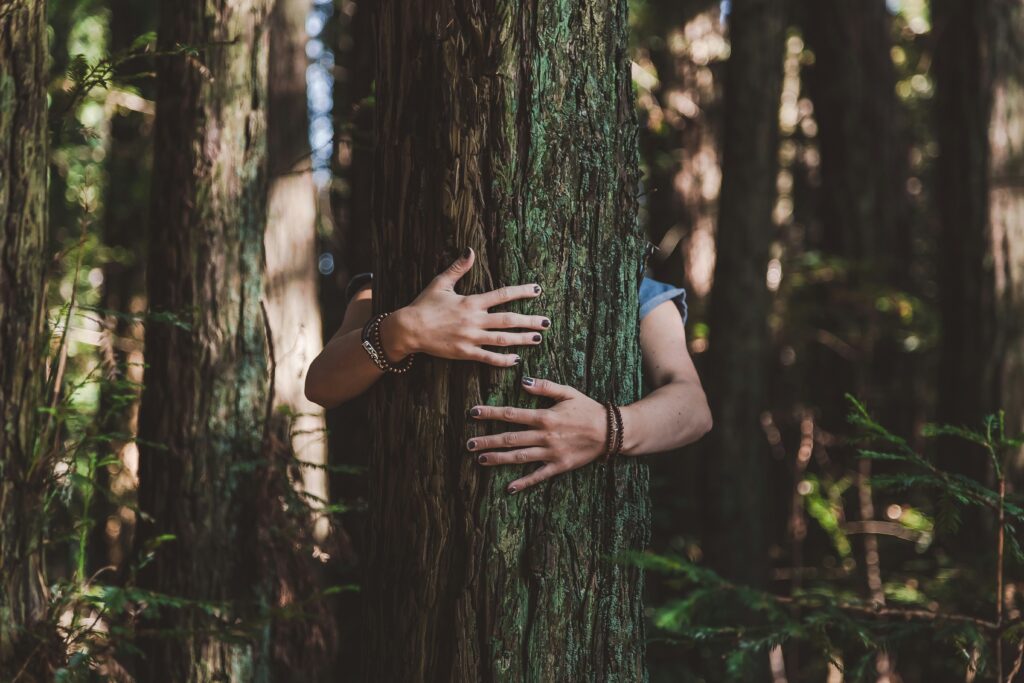
You can also reach out to nearby nature preserves and nature non-profit organizations to see if they are organizing an Arbor Day Event. Every county has a land and water preservation organization. You can find yours here.
And check with neighboring schools. The WDNR helps celebrate Arbor Day with an environmental education program designed to teach students the importance of trees in our environment. LEAF, Wisconsin’s K-12 forestry education program, provides professional development to thousands of Wisconsin’s school teachers, with curriculum guidance to hundreds of thousands of Wisconsin students. Thousands of free tree seedlings are presented to Wisconsin fourth-grade students for this celebration annually.
Brian Wahl, WDNR Forestry Specialist, has more suggestions for ways to observe Arbor Day on your land by looking at your woods from a fresh perspective.
- Take a bird or plant identification walk. Grab a field guide and challenge yourself to identify any of the things you’ve been wanting to know the name of but haven’t had time to learn. Or take your phone and capture good photos of plant buds, twig arrangements, bark, and form, then try to identify them when you’re back home.
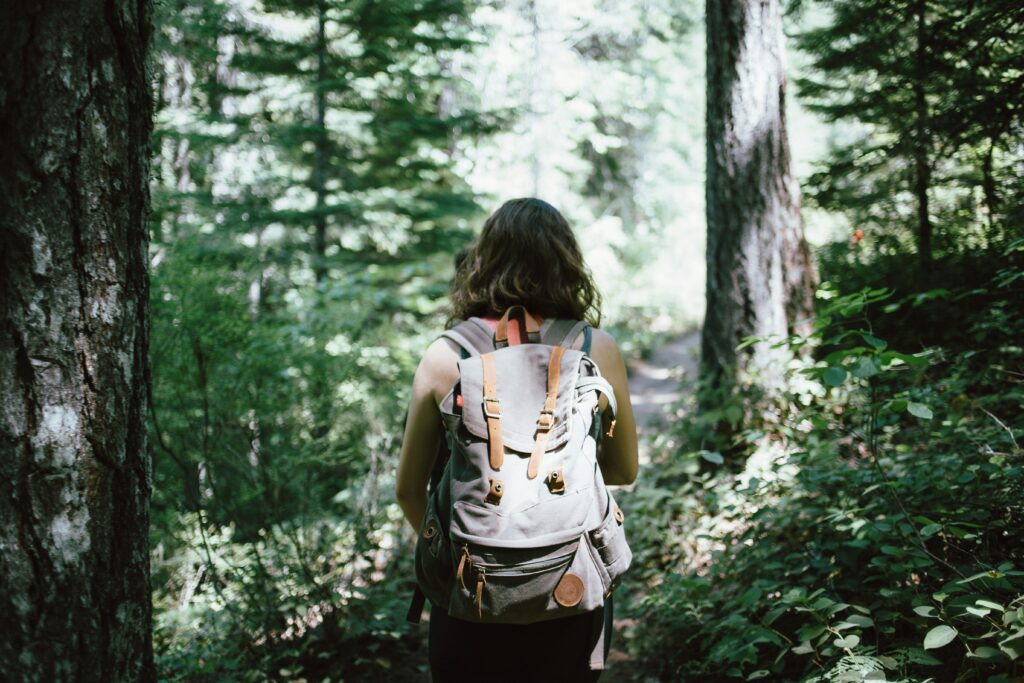
- Search for animal sign such as nests, dens, piles of nut shells, trails, beds, or scat, and browse on plants and trees,
- Challenge yourself to find five or more interesting things to take close-up photos of such as lichen, bark, decaying logs, and leaves. Re-examine the photos indoors. Zoom in to notice cool things you might have missed while taking the shot.
- Use a compass or follow your instincts and travel your property east to west and then north to south or do diagonals from corner to corner — the point is to walk your property and get off your well-worn trails. If you have a stream or creek, follow it from one end of your property to the other. (Wear boots!)
- Sit under or lean against a tree in a less frequented part of your woods and journal about what all your senses are picking up.
- With kids, or with any age, try a nature scavenger hunt. Here is a potential list for your hunt. Have the kids capture what they find with their phone or camera, and then talk over the highlights.
- Explore self-guided ‘forest bathing’. Check out a previous My Wisconsin Woods article on the topic here.
- Find and measure the girth of the largest tree on your property.
On Arbor Day, and every day, trees can use our help. And in turn, healthy trees can help us. Time and effort invested in tree care will return benefits throughout this year, twenty years from now, and for generations to come.